Nayaro Solutions · Build
Software built around your actual problem.
We start from what is slow, manual or breaking — then build the smallest thing that fixes it properly. No rewrite of your whole business, no software you cannot maintain.
What we build
Six things we do, and do properly.
If what you need is not on this list, say so anyway. Half of these projects started as a conversation about something else.
Websites and web apps
A site that loads fast, reads properly on a phone, and that you can update without calling anyone.
Company sites, booking and enquiry flows, catalogues, member areas. Built to be fast on the connection your customers actually have, and handed over with a way to edit your own content.
Custom business software
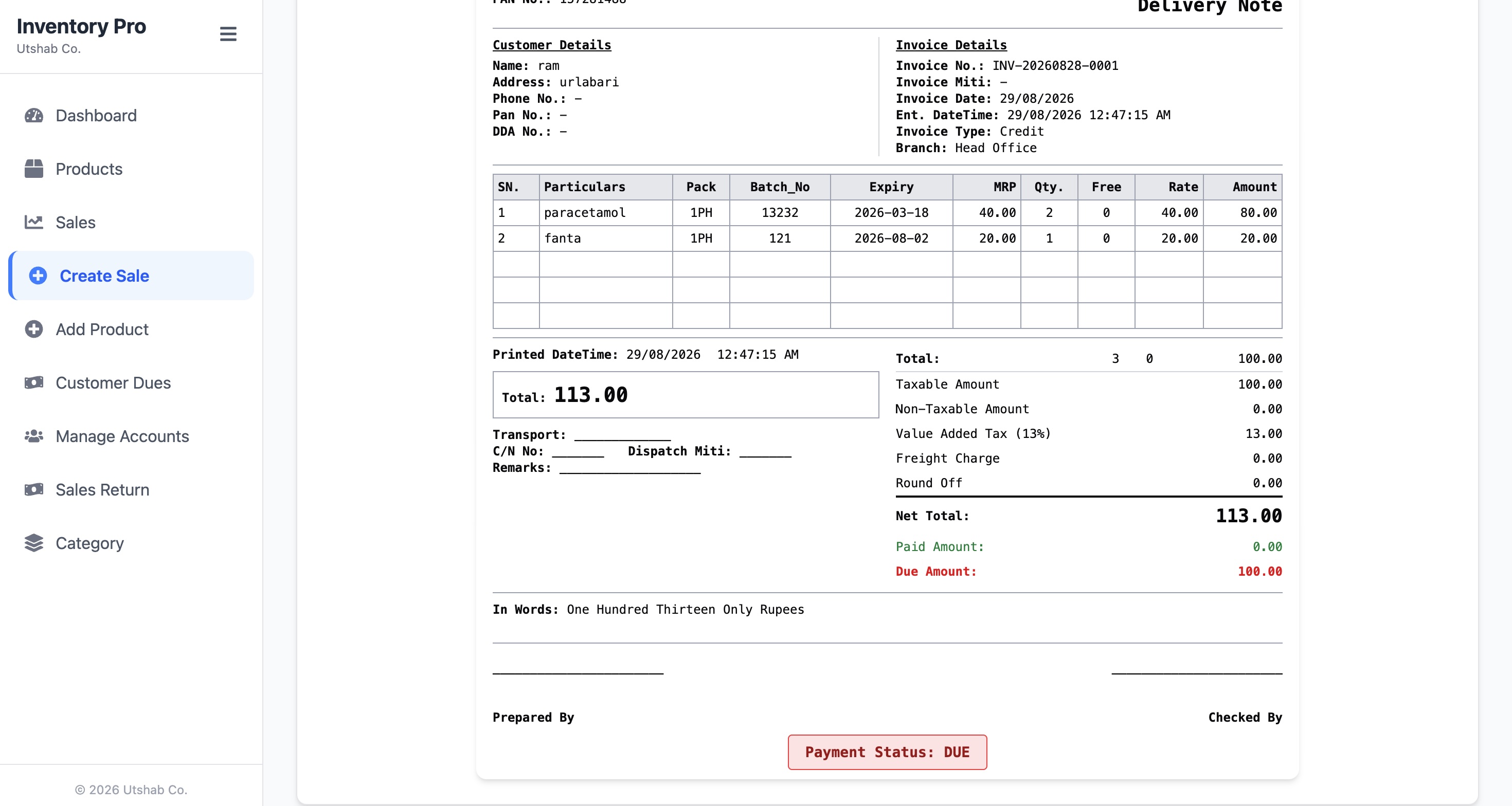
Systems shaped around how your business already runs — inventory, billing, records, scheduling.
When a spreadsheet has stopped coping but an off-the-shelf product does not fit, we build the thing in between. Scoped small, delivered in stages you can use as they land.
Business automation
The repetitive work — entries, reports, reminders, follow-ups — handled without a person doing it by hand.
We map the steps someone repeats every day, then remove the ones a machine can do. Usually the cheapest project on this list and the one that pays back first.
AI-assisted workflows
AI used where it genuinely removes work, and left out where it just adds a subscription.
Drafting, summarising, classifying, extracting data from documents. We test it against your real work before we recommend it, and we tell you when the honest answer is that it is not ready.
Dashboards and internal systems
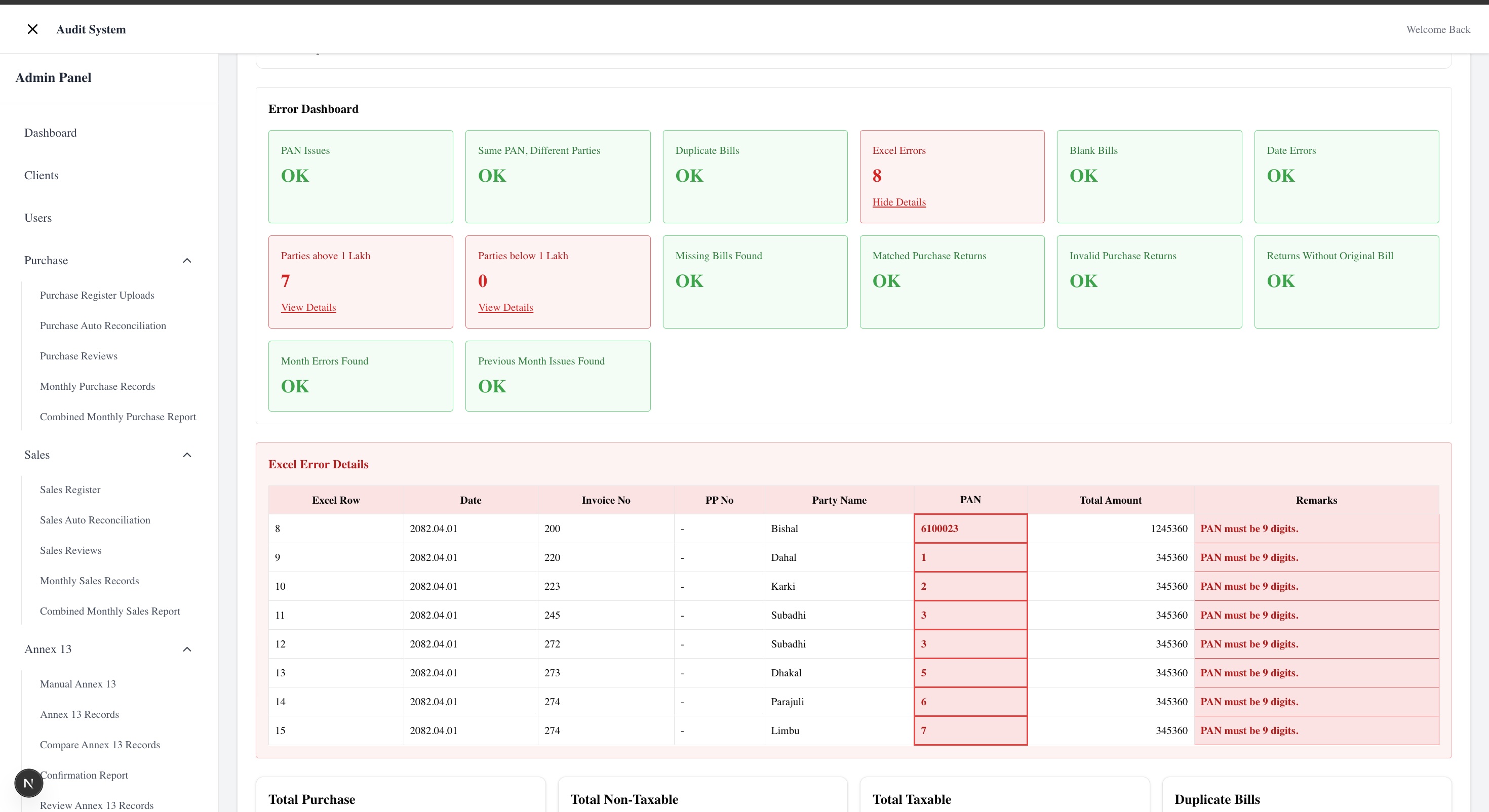
One place to see what is actually happening, instead of five spreadsheets and a group chat.
Pulling numbers out of the systems you already use and putting them somewhere a decision can be made from. Access controlled, so the right people see the right things.
Maintenance and support
Someone who knows your system and answers after launch, not only during the build.
Updates, backups, fixes and small improvements on an agreed arrangement. The people supporting it are the people who wrote it.
How we work
Four steps, and one of them is saying no.
Most projects that go wrong were mis-scoped in week one. We spend the time there instead, and we would rather lose a project than take on work we cannot do well.
Understand
We sit with the problem before we quote for it. What is slow, what breaks, who it costs, and what happens if nothing changes.
Scope
A written scope with a fixed first stage. If we think the project is a bad idea or cheaper to solve another way, this is where we say so.
Build
Delivered in stages you can see and use, not one long silence ending in a demo. You review as it goes.
Hand over
Your code, your accounts, your data — with documentation good enough that another developer could pick it up without us.
What it costs
Priced per project, after we understand it.
We do not publish a price list, because a number without a scope is not information. What we will do is give you a written figure before any work starts.
Fixed-scope project
A defined piece of work with an agreed price and stages. Best when you know roughly what you want built. Typical range: [ADD RANGE].
Discovery first
A short paid piece of work to define the scope properly when the problem is not yet clear. It ends in a written plan you own, whether or not we build it. [ADD FEE].
Ongoing support
A monthly arrangement for updates, fixes and small improvements once something is live. [ADD MONTHLY RATE].
What we work with
Boring, well-supported tools.
We pick technology you could hire someone else to maintain. Nothing here is exotic, and that is deliberate — it is also exactly what we teach in Academy.
Selected work
Work goes here as it ships.
We would rather leave these slots visibly empty than fill them with work we have not done. Each becomes a short case study: the problem, what we built, what changed.
[Project name]
[What the problem was, in one line.] [What we built.] [What it changed.]
[Project name]
[What the problem was, in one line.] [What we built.] [What it changed.]
[Project name]
[What the problem was, in one line.] [What we built.] [What it changed.]
For businesses
Tell us what you are trying to do.
Describe the problem in plain language. If we are the wrong people for it, we will tell you that instead of quoting for it.
Start a ProjectFor students
Come and learn to build.
Ask about the next batch, what a laptop needs to run, and what you would actually be building in the first month.
Explore Academy